Art & Design
Art and Design at The Perse Sixth Form combines specialist teaching, creative independence and ambitious studio practice. Students develop technical expertise across a range of disciplines while building a distinctive personal artistic voice. Through increasingly self-directed projects, they learn to think critically, work independently and communicate ideas visually, preparing them for higher education and future creative careers.
Creative independence and specialist practice
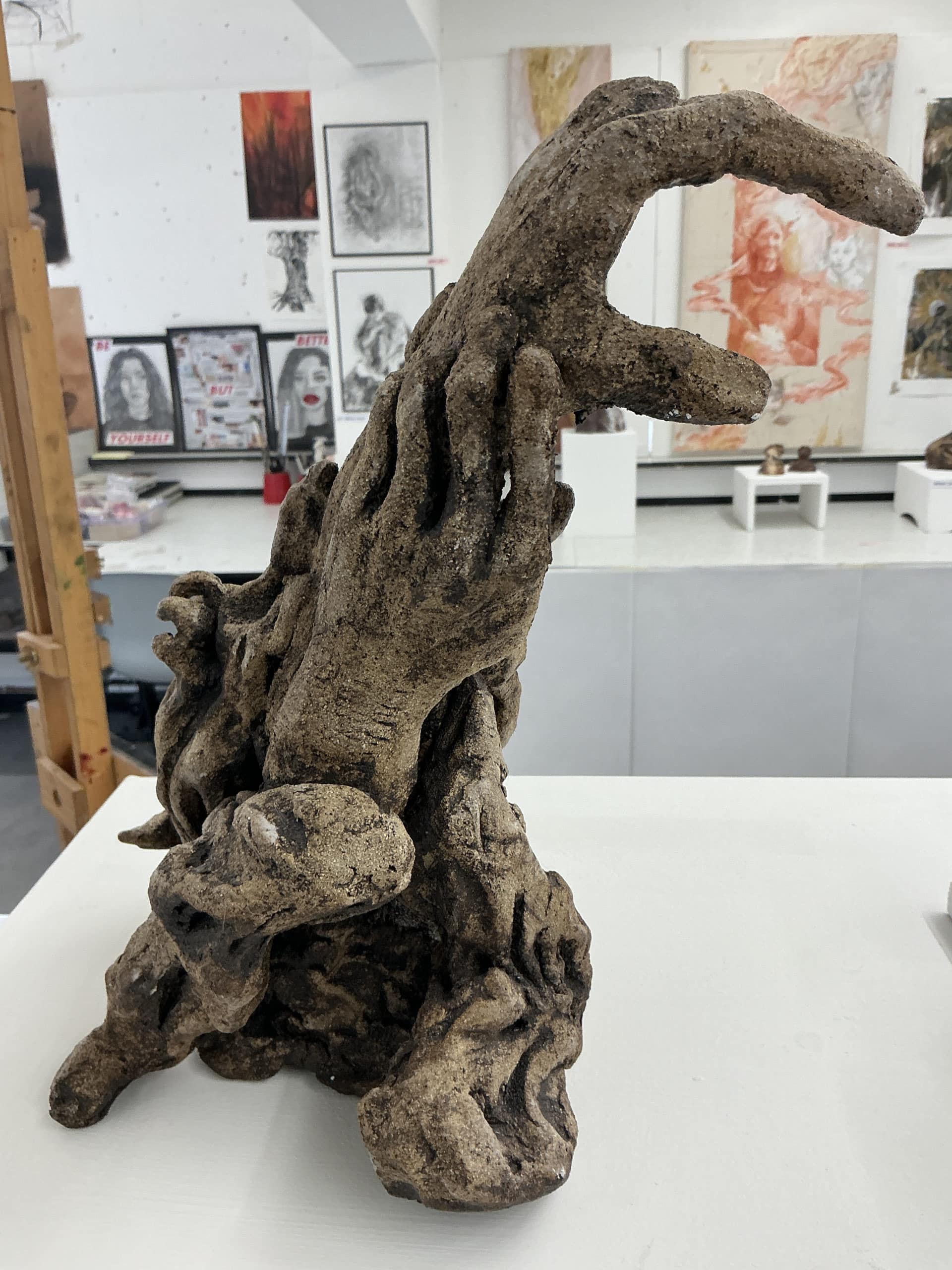
Unlike many A level Art courses, students at The Perse are taught by specialist teachers across a range of disciplines including painting, printmaking, sculpture, ceramics, textiles, photography and digital media. Through workshop-based learning and independent project work, students develop confidence in their chosen media while exploring new approaches and techniques.
A level Art encourages students to become reflective and self-motivated practitioners, developing creativity, visual communication, research skills and an understanding of the wider artistic and cultural landscape.
An exceptional studio environment
Students benefit from a dedicated Sixth Form art studio that is larger than many university art studios, with individual workspaces and the freedom to develop ambitious projects beyond lesson time. The studio is open before school, during breaks and after lessons, providing regular access to specialist facilities, extensive materials and equipment, and expert technician support.
This professional working environment encourages sustained creative practice, independence and the habits of successful artists, designers and architects.
Learning beyond the specification
A level Art at The Perse extends far beyond the curriculum. Students can lead clubs and societies, organise exhibitions, mentor younger pupils, contribute to community arts projects and participate in national competitions.
Regular gallery visits, life drawing sessions, artist workshops and portfolio development opportunities help students deepen their artistic practice while developing confidence, cultural awareness and leadership skills. Students are encouraged to enter prestigious opportunities including the ARTiculation Prize and the Royal Academy Young Artists’ Summer Show, gaining valuable experience of presenting both ideas and artwork to wider audiences.
Educational visits form an important part of the course. Students visit major galleries and exhibitions in London and St Ives, including Tate St Ives, the Barbara Hepworth Museum and the St Ives School of Painting, while opportunities for overseas residential visits, including Vienna, further enrich their understanding of art and visual culture.
University preparation and future pathways
Every student receives highly personalised guidance as they develop their artistic practice, portfolio and future aspirations. Whether applying for Fine Art, Architecture, History of Art, Design or Foundation courses, students benefit from individual mentoring, portfolio reviews, application support and interview preparation.
A level Art develops creativity, visual communication, problem-solving, critical thinking, research and independent project management. Students regularly progress to degree courses in Fine Art, Architecture, Graphic Design, Illustration, Fashion, Product Design and History of Art. These skills are equally valued across the wider creative industries and in professions requiring innovation, presentation, analysis and original thinking.
Recent highlights
Over the past three years, students have progressed to outstanding destinations including Oxford for Fine Art, Cambridge and UCL for Architecture, and Central Saint Martins.
Perse students have reached the national final of the ARTiculation Prize, winning regional heats at MK Gallery and the Sainsbury Centre for Visual Arts. Art Scholars also produce the department’s termly magazine, Sketches from the Art Department, showcasing student artwork, exhibition reviews and contemporary artistic ideas.
Assessment details
Personal Investigation (60%)
A sustained practical project supported by a written personal study.
Controlled Assignment (40%)
Students respond to an externally set theme and complete a 15-hour practical examination.
The examining board is Edexcel.