History of The Perse
HISTORY OF THE PERSE SCHOOL
Our History
For over 400 years, The Perse has combined a rich educational heritage with a clear set of values that continue to shape school life today.
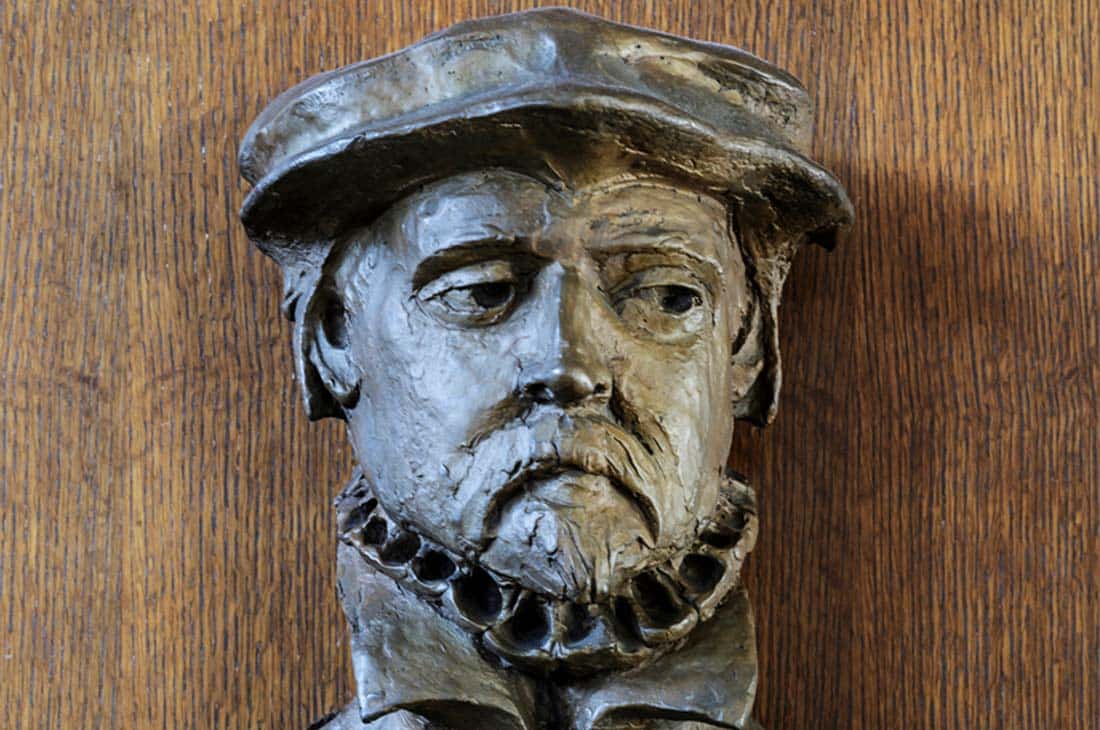
The Perse is Cambridge’s oldest surviving secondary school, founded in 1615 by Dr Stephen Perse, a fellow of Gonville and Caius College. Initially a theologian, he became a tutor in medicine and a successful practising physician but made most of his fortune through investment in land and property and by funding the ventures of others.
Dr Perse saw first-hand the limited life chances of many of the poorer patients he treated, and despaired of the deep rift between town and gown. He left a considerable sum to establish a ‘free grammar school’ for talented boys from all backgrounds, hoping to provide a route out of poverty and into the university.
At first, the school provided places for 100 free scholars from all backgrounds many of which went on to study at Caius College. During the 18th century the governors of the school, Caius College, neglected to increase the salaries of the Master and Usher for over a hundred years and the school fell into decline.
Staff of talent were not attracted to the school and neither were pupils. Teaching posts became sinecures for junior fellows of Caius and the surplus endowment was pocketed by the senior fellows. This corruption was common at the time – Harrow and Rugby School also nearly closed.
Local protests forced the governors to keep the school open but it took a court case in 1837 to reform the College’s abuse of Stephen Perse’s Trust and to put the school back on a proper footing. In 1881 the complementary Perse School for Girls opened with funding from the town, the University and the Perse endowment.

Experimental Teaching Methods
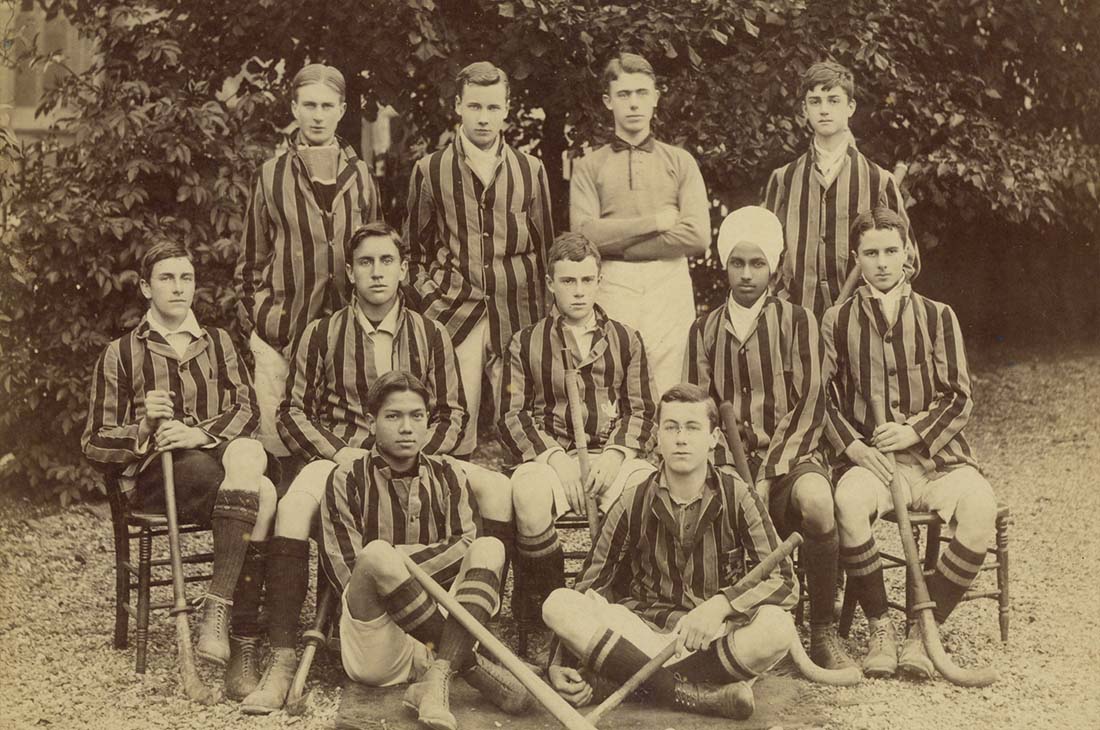
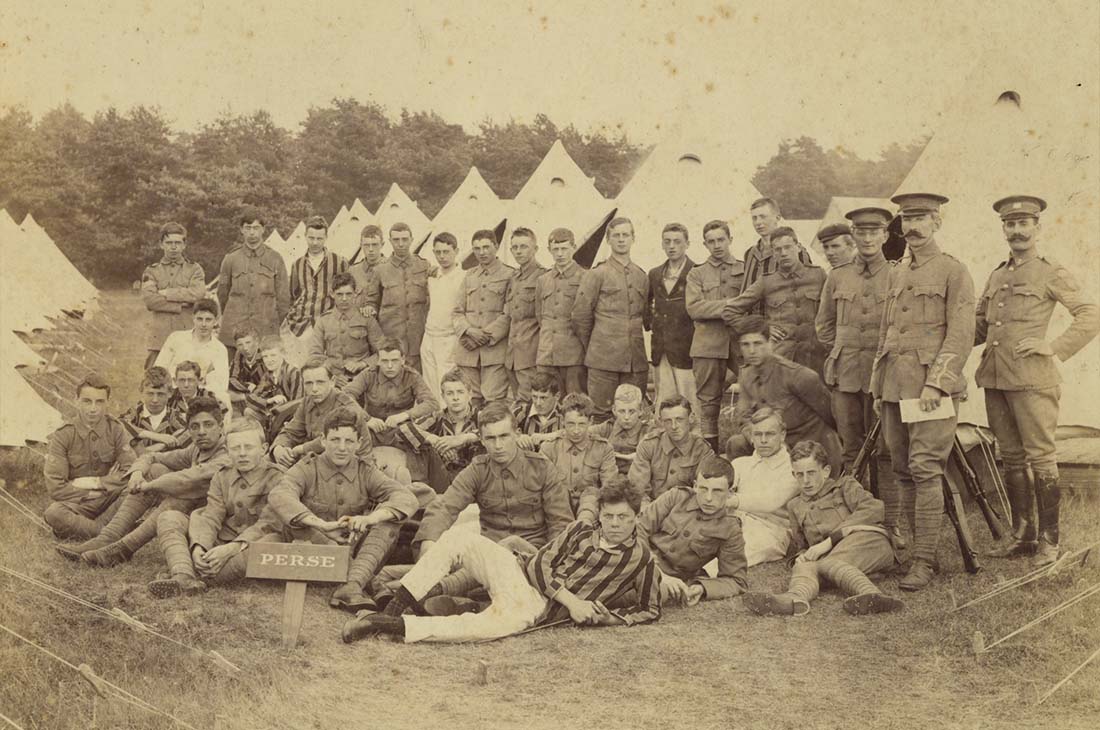
The experimental teaching methods of Headmaster W.H.D. Rouse (1902-28), notably the Direct Method of teaching foreign languages, attracted attention and talented teachers. The Perse established an international reputation in a matter of years. Rouse also set up a Prep School and two boarding houses, including a Jewish boarding house (Hillel House). He also secured the ground on Hills Road on which he hoped to build a new school. The Upper School eventually moved to Hills Road in 1960 under Headmastership Stanley Stubbs (1945-69).
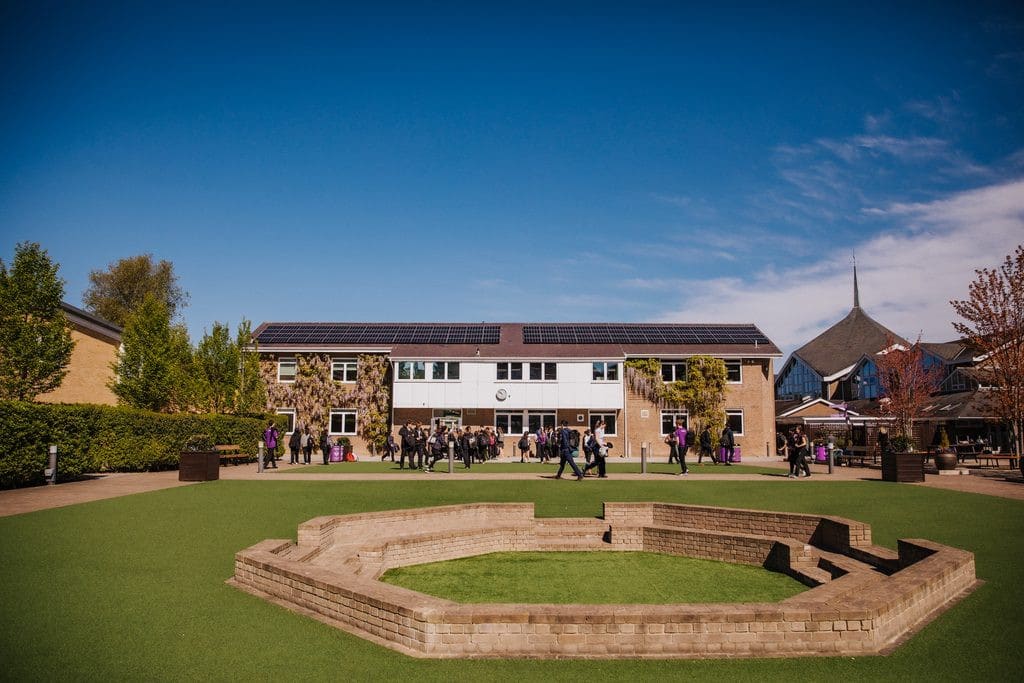
The Perse received grants from the government as early as Rouse’s time, in respect of its experimental language teaching. From 1945-1976 it was a Direct Grant school offering free places to around 40% of pupils. Following the government’s withdrawal of the grant, The Perse became independent.
Our Sixth Form began welcoming girls in 1995 and the school’s move to full co-education completed in 2012. During this time The Perse School for Girls became a separate entity, evolving into The Stephen Perse Foundation. The Perse School celebrated its 400th anniversary in the academic year 2015/16.
The Perse School now
The Perse School, Cambridge consists today of four schools (Pelican, Prep, Upper and Sixth Form) across three sites in Cambridge. Each have their own character and specialist, age-appropriate provision for boys and girls aged three to 18.
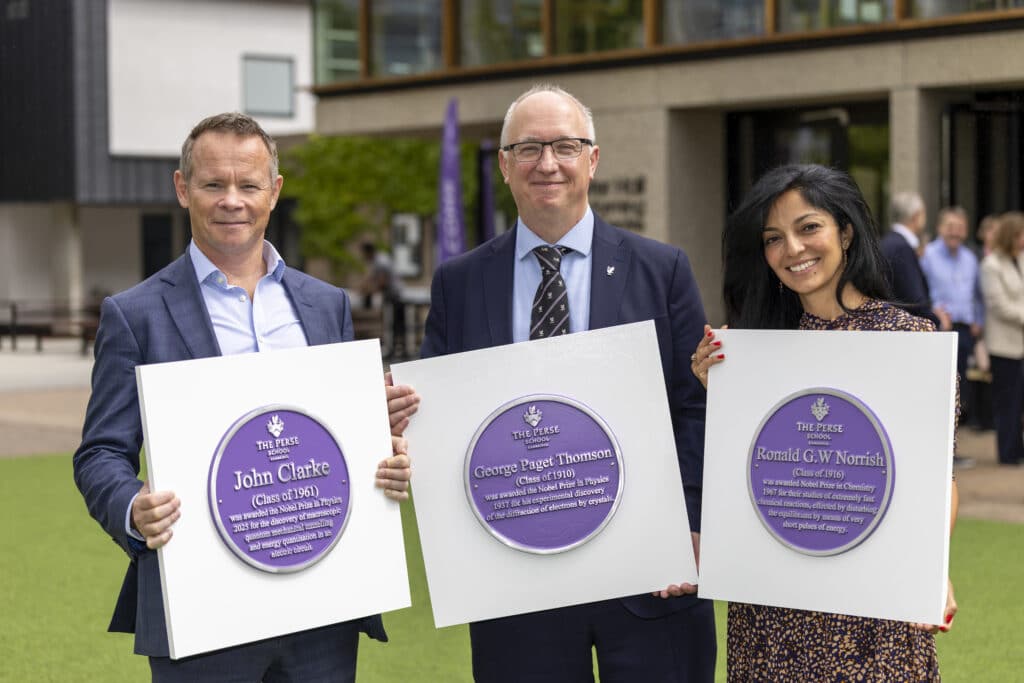
Drawing on more than 400 years of history and an alumni network that includes three Nobel Prize winners, The Perse combines academic excellence with the expertise, resources and enduring strength of a well-established school community.
Keep up to date with the latest news from The Perse School and follow us on Social Media.
Please do not hesitate to get in touch and make an enquiry, we would be delighted to hear from you.
We would be delighted to show you around our Pelican, Prep, Upper or Sixth Form. Tours take place during the school day in term time.