Our History and Timeline
FROM THEN TILL NOW
Perse School Timeline
Take a look at the timeline below for the key moments in our 400 year history.
1615
Dr Perse leaves £10,000 in his will for the formation of a ‘Grammar Free Schoole’ among other good causes. His vision is for children of all backgrounds to benefit from education.
1618
The Perse School opens on Free School Lane (originally called Lorteburn Lane) with two teachers.
1620
Around 100 free scholars are on the roll. The school day starts at 6am and pupils focus on Latin, Greek and good manners.
1636
By this point, 100 Perse pupils have been admitted to the University of Cambridge
1687
Master George Griffith dies leaving a generous bequest. Many Perseans in his 34 year mastership went on to achieve great things, including Robert Tabor, an apothecary who was knighted for saving the life of Charles II
1731
After a period of decline, The Perse has only 10 pupils. Buildings are out of use and masters absent.
1785
For a brief period there are no pupils at The Perse. In 1787 pressure from townspeople forces the School to reopen – albeit with limited free places.
1816
The Perse is used to house the newly-created Fitzwilliam Collection until a museum can be built.
1837
A court case puts the School back on a firmer footing. The 100 free places are restored, hours of attendance are increased and pupil prizes introduced.
1890
The Perse moves to Gonville Place. Under headmaster Herbert Barnes-Lawrence, the School begins to re-establish a strong academic presence.
1904
Headmaster WHD Rouse and Israel Hersch set up a Jewish boarding house – Hillel House. Over the next 40 years it will be home to more than 400 boys; among them many fleeing oppression in Europe.
1910
Previously the Preparatory Form, the Perse Prep acquires its own site on Bateman Street.
1912
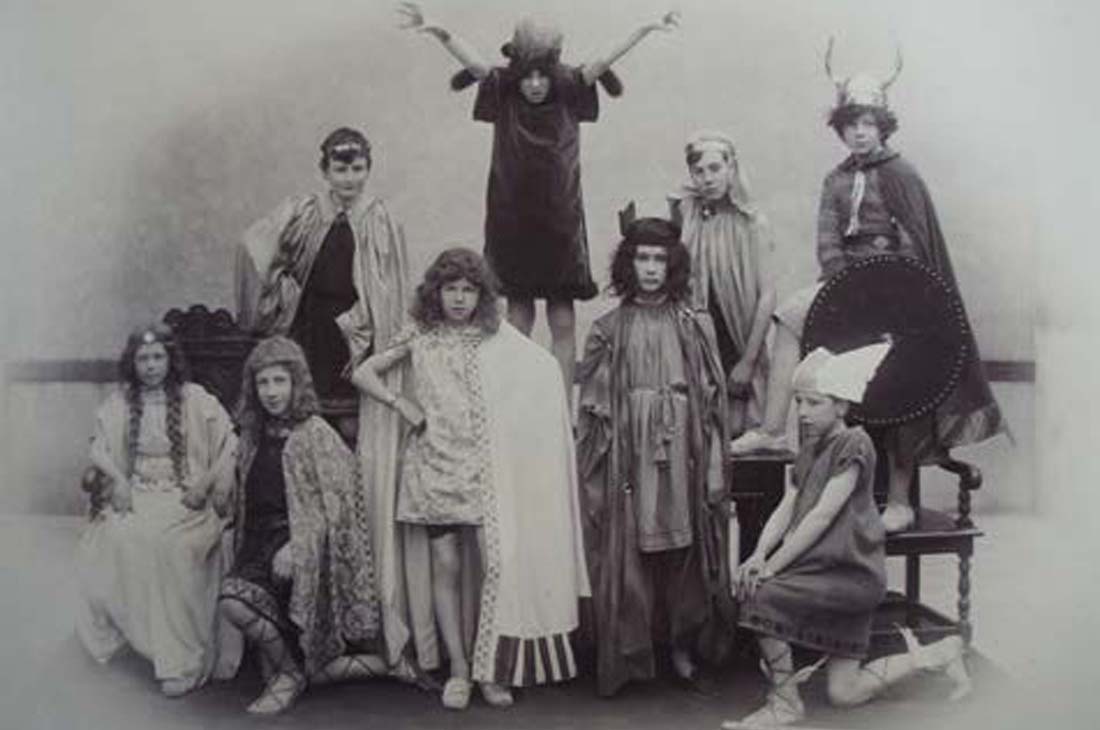
The Perse Players hold their first performance. Two years later the Mummery is established. Pupils learn English through drama and are encouraged to write their own plays.
1954
The Prep School moves to its Trumpington Road site.
1960
Under the leadership of Stanley Stubbs, the Upper School moves to its current site on Hills Road.
1976
The government abolishes the Direct Grant System after three decades. The Perse becomes independent.
1993
Boarding ends. Two years later Saturday School is abolished and girls enter the Sixth Form.
1997
The government abolishes the Assisted Places Scheme. The School no longer receives any state funding and develops a bursary scheme so that children can continue to benefit from a Perse education.
The Perse Pelican Nursery and Pre-Prep opens in what was once Hillel House.
2007
Girls enter the Prep and the move to full co-education in all years begins.
2018
In addition to continued academic success, extra-curricular activity is thriving.
The Peter Hall Performing Arts Centre opens and is named after the late Sir Peter Hall, who is an Old Persean.
2020
For the first time in its history, lessons across The Perse move online for most children, due to the national Covid-19 lockdown.
2024
The Perse Sports Centre, featuring a 25-metre swimming pool, 10.5m climbing wall and sports hall, opens on the Upper School site for use by students and the local community.
Our History
The Perse is Cambridge’s oldest surviving secondary school, founded in 1615 by Dr Stephen Perse, a fellow of Gonville and Caius College.
Keep up to date with the latest news from The Perse School and follow us on Social Media.
Please do not hesitate to get in touch and make an enquiry, we would be delighted to hear from you.
We would be delighted to show you around our Pelican, Prep, Upper or Sixth Form. Tours take place during the school day in term time.