Rouse Award: Ella’s investigation into tea in British society
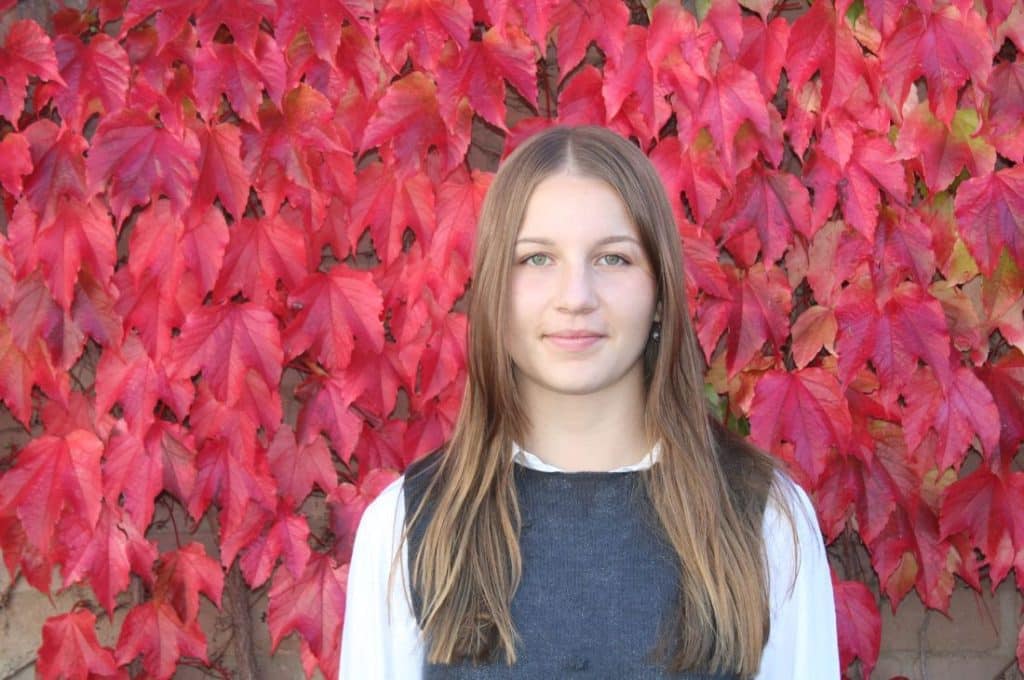
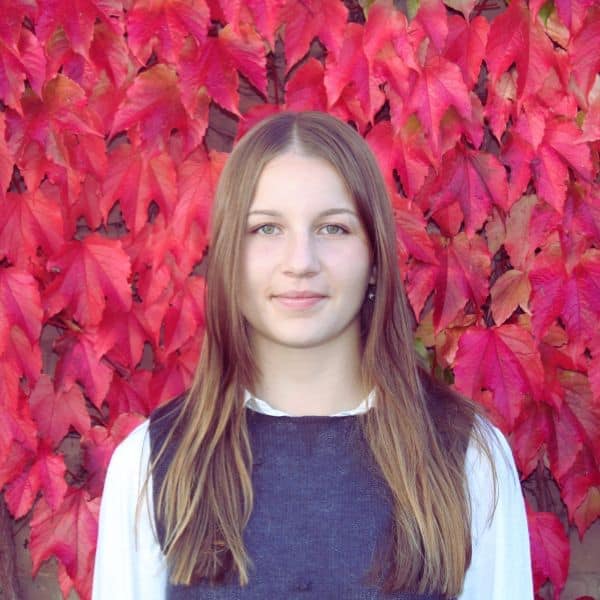
Ella (Upper Sixth) earned the Rouse Award for her examination of the role tea played in shaping the British national identity.
Despite being a coffee drinker herself, Ella turned her attention to the country’s traditional favourite hot beverage having been inspired by the famous Cutty Sark tea clipper.
She said: “I entered an essay competition earlier in the year with the theme 1869 and that year resonated with me because my grandpa used to have a model in his office of the Cutty Sark, which set off in 1869.
“I had a bit of prior knowledge about tea clippers, but I wanted to go a bit more into the commodity itself. I went down a slightly different route because my historical interests are more social, cultural and intellectual rather than economic.”
Ella went on a fascinating journey of discovery via a wide range of sources including the BBC’s Empire of Tea podcast series, Lizzie Cottingham’s book The Hungry Empire, and even a 1940s newspaper column by the author George Orwell outlining his 11 rules for A Nice Cup of Tea.
She said: “I hadn’t realised tea wasn’t cultivated in India until after the Opium Wars with China in the mid-19th Century.
“Initially it was thought Indian tea was very dodgy because it grew in the wild rather than being cultivated, as it was in China, so that whole shift was very interesting and then Chinese tea becomes talked about quite negatively.
“The main thing I found was the way tea contributes to society changes over time. It’s there to promote colonialism at the start, along with lots of other goods.
“Socially, it’s not just an economic driver for the British Empire, it becomes a real mark to Britain of their success.
“That continues up until the World Wars when tea has a new purpose as this comforting stimulant. It’s more reflective of a ‘stiff upper lip’ typical British character rather than being this exotic new thing.”
As a keen modern historian, Ella said she had learned much from carrying out her Rouse project.
She said: “I really enjoyed finding primary sources and unpicking them myself because that’s not something you necessarily get the chance to do in history lessons. That was quite rewarding, especially being able to produce something tangible from it.
“Being interviewed by the judging panel was also a really good experience. Being pushed on random little details I’d thrown in there and hadn’t thought about so much was good fun and to win the award was the cherry on top.”
Read Ella’s project in full at our Perse Research website.