Economics experts provide inspiring insights in conference at The Perse
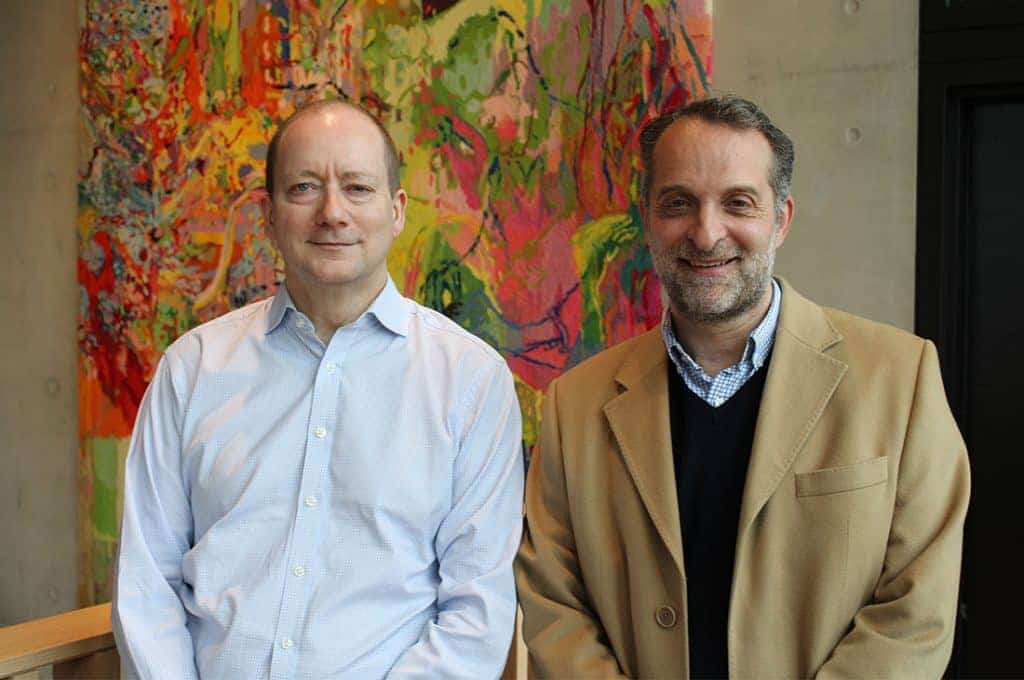
Industry experts provided plenty of food for thought to Sixth Form economics students at a conference hosted by The Perse.
Three speakers gave insights and analysis across a range of topics during the event, organised by the Institute of Economic Affairs (IEA), to an audience of Perse students, as well as visitors from other schools including The Leys, St Mary’s School and Framlingham College.
The IEA’s Senior Education Fellow Dr Stephen Davies opened the conference with a talk on the economics of virtual worlds and video games, exploring the field of MMORPGs (massively multi-player online role-playing games), such as World of Warcraft. He stressed that despite their virtual nature, they are real environments with real people interacting in real time.
Dr Davies argued MMORPGs created a kind of virtual market economy more like the real world. Subsequently, complex virtual worlds can be experiments that enable theoretical models in economics, sociology, medicine and political theory to be tested.
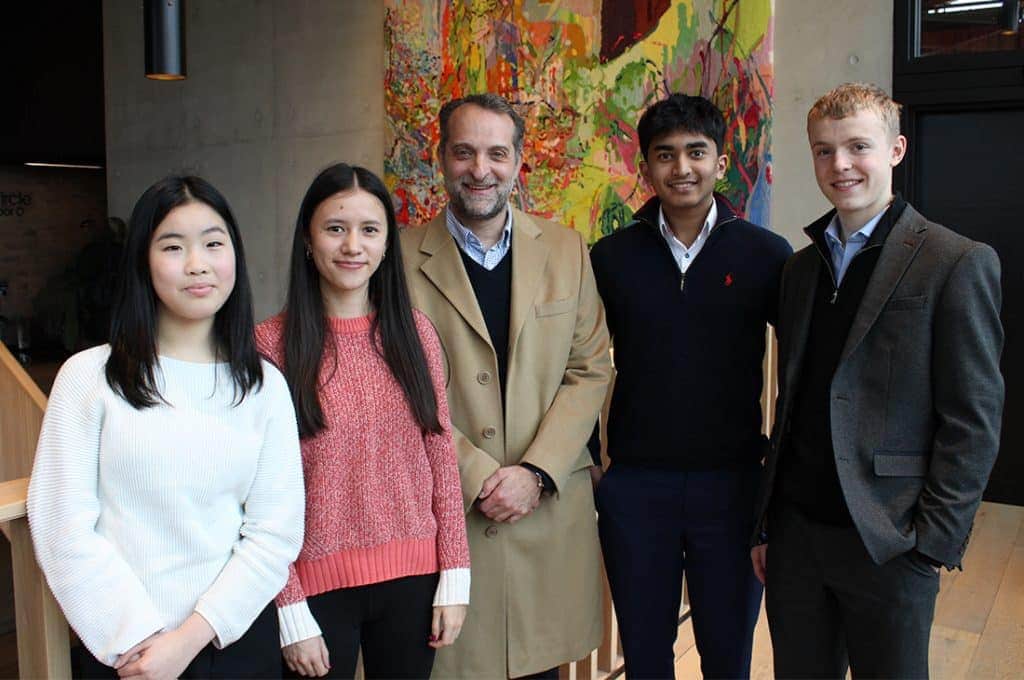
Pupils were then encouraged to question some of the basic monetary and fiscal policy they have learned about during their economics A level studies, by Dr Juan Castaneda, Director of the Vinson Centre, based at Buckingham University, which aims to promote a wider public understanding of economics and entrepreneurship.
He worked through the foundational principles of monetary policy and the role of the central bank before exploring some of the recent inflationary challenges for the UK and other countries. Dr Castaneda stretched the students’ understanding by explaining that the boundaries of monetary and fiscal policy are determined by a range of factors.
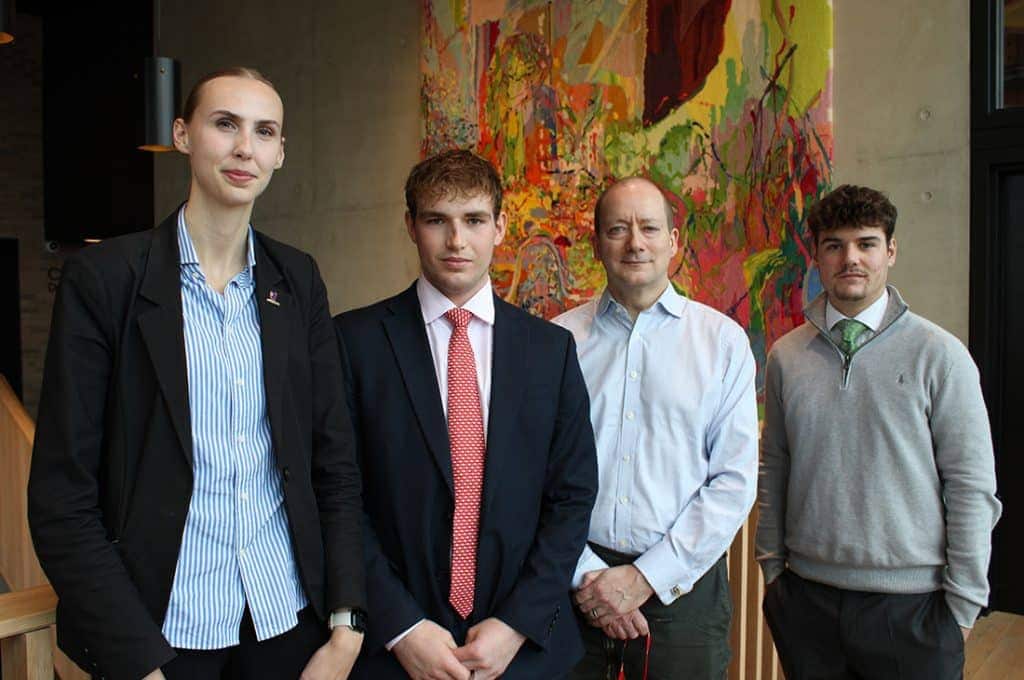
Leading economist and Old Persean Julian Jessop concluded the conference with a talk entitled The Productivity Puzzle, which pulled together many key themes from the A level curriculum and helped students challenge and explore connections between theory and the real world.
Considering the subject from a free-market viewpoint, Mr Jessop identified areas that might explain low productivity growth in the UK since the 2008 financial crisis and set out some ideas to explore that could solve the issue. They included facilitating more creative destruction (the process of economic change that results from new products rendering existing ones obsolete), disruptive technologies, simpler taxation policy and deregulation.
Perse Head of Economics Chris Larner said: “The conference challenged pupils to think critically and apply core economic concepts to the dynamics of real-world and virtual economies.
“Framed from a free-market perspective, the speakers encouraged pupils to question assumptions, explore innovative solutions and deepen their understanding of how economic theories intersect with global challenges and policy decisions. The value of listening to and, most importantly, questioning experts in their field was truly unparalleled.”