
Rouse Award: Kyla’s assessment of male and female birth rates
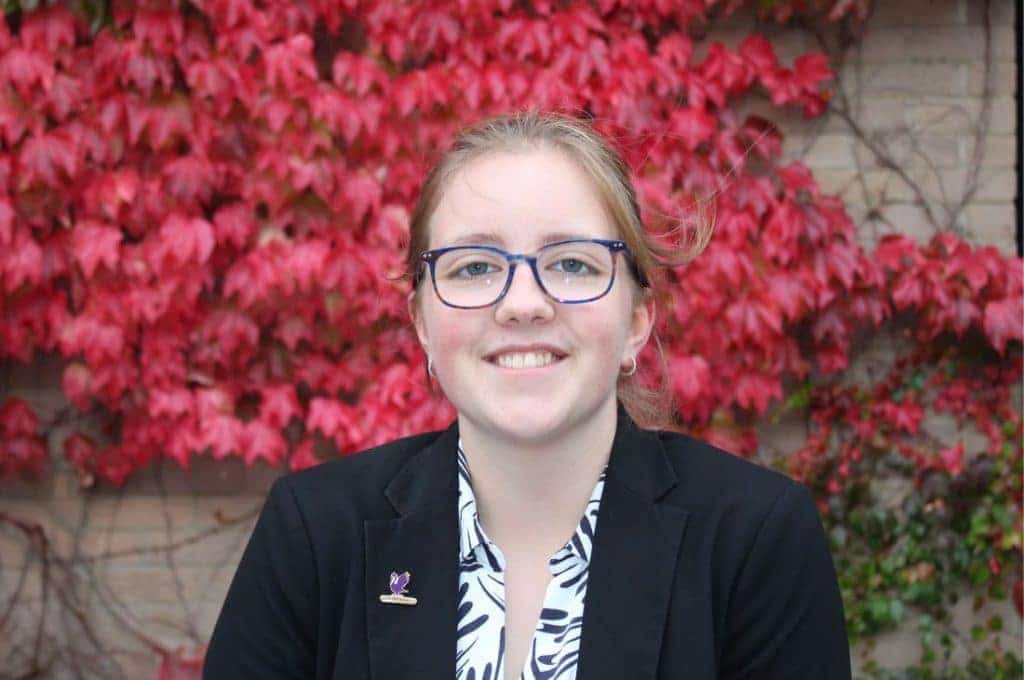
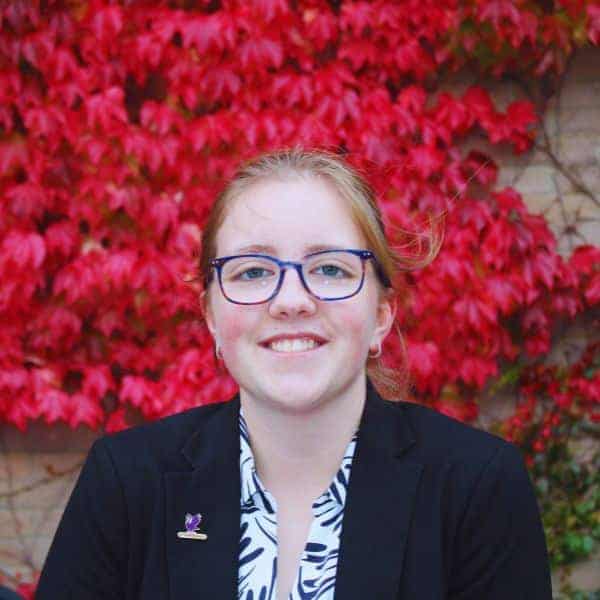
Kyla (Upper Sixth) received the Rouse Award thanks to her in-depth look into the question ‘why are there more boys than girls?’
Her interest was piqued after overhearing a podcast her dad was listening to in which the phenomenon of many more boys being born than girls after both World Wars was being discussed.
She said: “I wasn’t aware of it, but I thought it was fundamental biology, so I thought there was definitely an opportunity to do some research here.
“I had to start at surface level because I didn’t have any in-depth knowledge, so I started looking at newspaper articles and then went into scientific papers, but it’s not the easiest area to find out about because there’s a lack of research in the field.
“I find that strange because it seems so important, especially because since records began in the UK (in 1837), there’s never been a year when more girls have been born than boys.
“Also, after significant events the birth rate changes, but it never gets equal or there being more girls born, so there’s a twofold question about why there are more boys and why does the birth rate between boys and girls vary.”
Kyla, who hopes to go into medicine, found it was difficult to make any solid conclusions from a long list of potential factors she had considered ranging from the sizes of Y sperm and chromosomes to maternal glucose levels in the blood.
She said: “I’d be keen to do more research on it because it’s like this whole world with so little on it.
“Doing this project was a really useful experience. With being an independent project, I had to pick my topic, organise myself to make sure I was on time with all the deadlines and just keep on top of it.
“I was a bit shocked to win the Rouse Award, but I was really pleased because I put a lot of work into it and it’s nice that was recognised.”
Read Kyla’s project in full at our Perse Research website.