2024-25 Perse Aristotelian Award winners announced
A high standard of intellectual curiosity was on display as a record number of Year 9 pupils from across the UK and beyond took part in this year’s Perse Aristotelian Award competition.
Aimed at inspiring young people to develop independent research skills, the 2024-25 Aristotelian Award attracted 143 entries covering a broad range of subjects.
Split into two categories of arts/humanities and sciences, the winners of each section received £70 while the four highly commended pupils in each section were awarded £20.
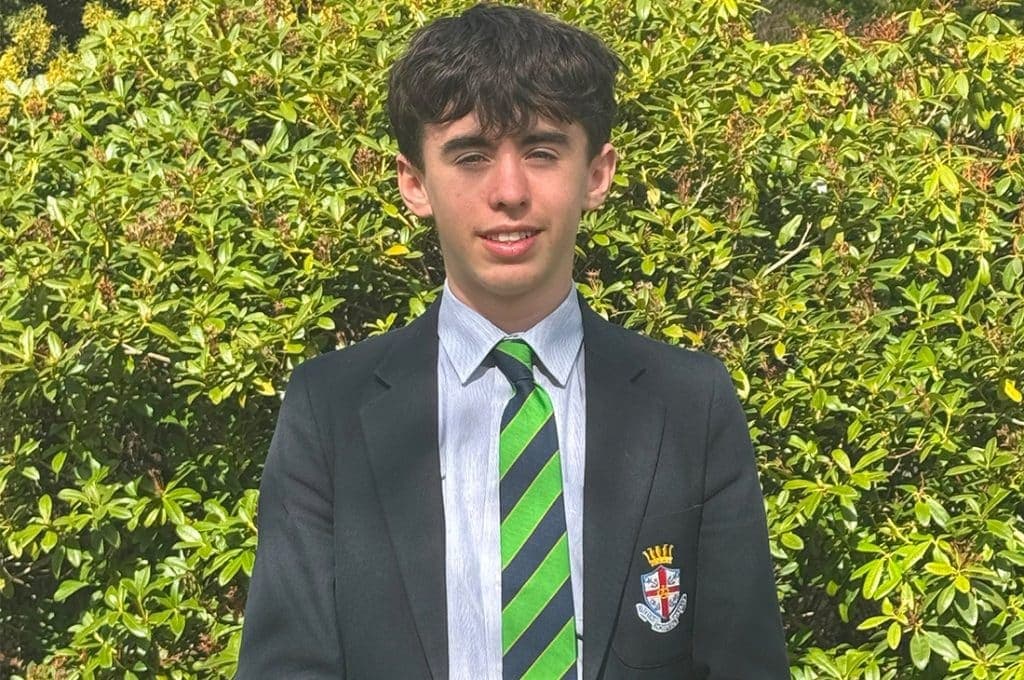
The arts/humanities section was won by Royal Hospital School pupil Benjamin, who researched globalisation and whether it is widening the gap between rich and poor countries. Highly commended were Nayraa (Gordon’s School), Anwita (PM Shri Kendriya Vidyalaya Ernakulam, India), Aurora and Zuyi (both The Perse School).
Benjamin said: “I’m so happy to have won the Aristotelian Award in the arts/humanities category. It’s a huge honour.
“The question challenged me and I learned a lot about globalisation and inequality. While globalisation connects nations through trade, technology, and culture, it has also widened the gap between rich and poor countries.
“This is particularly relevant with Donald Trump’s ‘America First’ approach. My essay concluded that countries must prioritise inclusive economic strategies, sustainability and education to ensure globalisation benefits everyone.”
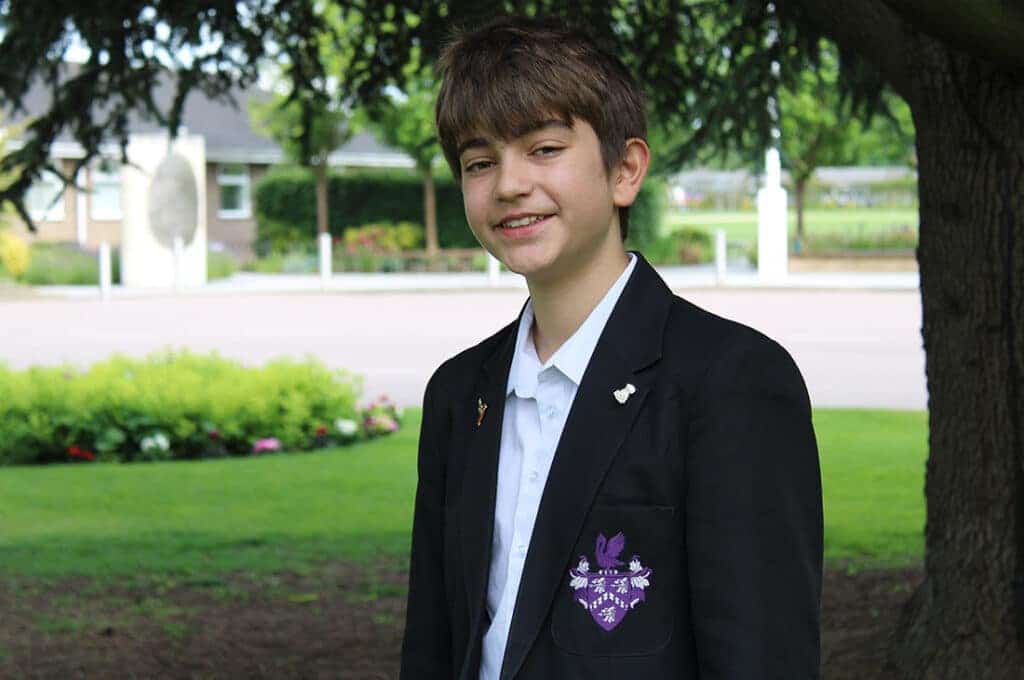
Perse pupil Benjamin won the sciences category with his investigation into the viability of alternatives to antibiotic use for human illnesses and why they are needed. Kiki (Brighton College), Moran (St Clement Danes School), Noah (Alleyn’s) and Ashlyn (Southend High School for Girls) were highly commended.
Benjamin said: “My interest in antibiotic resistance was sparked last year when a close friend of my family almost lost his leg after a knee joint replacement due to a resistant infection. He was in and out of hospital for over 14 months, reminding me that even routine surgery, like the appendix removal I had in Year 6, can be life-threatening when antibiotics don’t work.
“Recently, the UN described antibiotic resistance as the ‘greatest and most urgent global risk’. I was interested to explore the essay’s challenge to find out if there are viable alternatives to antibiotics. My conclusion was mixed. Although there are no alternatives ready for large-scale use, there are many promising options in the pipeline like monoclonal antibodies and antimicrobial peptides.
“I am delighted to win this award, having spent much time researching and writing my essay. I learned a lot about our never-ending evolutionary arms race with microbes.”
Old Perseans and former research prefects Tom Macfarlane and Dominic Rogers (2024) had the tough task of deciding on the winning entries.
They said: “The diligence, curiosity and ambition of all participants in the Aristotelian Award stood out to us above all. We were afforded the opportunity to appreciate the verbal dexterity and knowledge of shortlisted candidates.
“The competition has demonstrably been a hugely effective way of fostering enthusiasm for essay-writing and thinking deeply about complicated questions at a young age, an enthusiasm we hope will translate into a lifelong appetite for research. Many congratulations to this year’s winners for their fantastic work and good luck to all who take part next year.”
For more information on the Aristotelian Award, visit our Perse Research website, and read the winning essays below.